
 Image 1 of 1
Author: Stephen J. Davis The Egyptian Church and it's Leadership in Late Antiquity The Popes of Egypt Volume 1
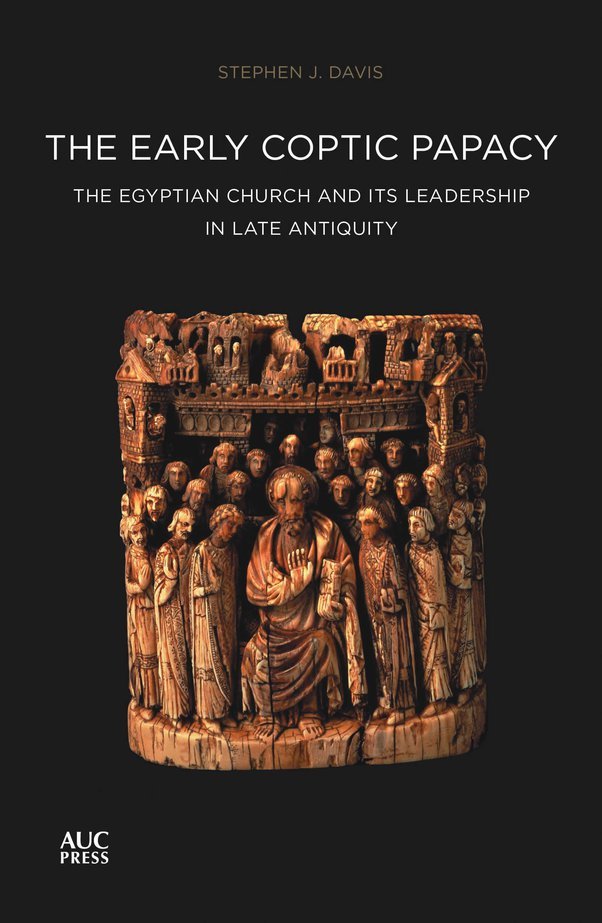
The Copts, adherents of the Egyptian Orthodox Church, today represent the largest Christian community in the Middle East, and their presiding bishops have been accorded the title of pope since the third century AD. This study analyzes the development of the Egyptian papacy from its origins to the rise of Islam. How did the papal office in Egypt evolve as a social and religious institution during the first six and a half centuries AD? How do the developments in the Alexandrian patriarchate reflect larger developments in the Egyptian church as a whole—in its structures of authority and lines of communication, as well as in its social and religious practices? In addressing such questions, Stephen J. Davis examines a wide range of evidence—letters, sermons, theological treatises, and church histories, as well as art, artifacts, and archaeological remains—to discover what the patriarchs did as leaders, how their leadership was represented in public discourses, and how those representations definitively shaped Egyptian Christian identity in late antiquity.
Also available:
Volume 2, The Coptic Papacy in Islamic Egypt, 641–1517 (Mark N. Swanson)
Volume 3, The Emergence of the Modern Coptic Papacy (Magdi Girgis, Nelly van Doorn-Harder).
AUC Press
ISBN 9789774168345
Author: Stephen J. Davis The Egyptian Church and it's Leadership in Late Antiquity The Popes of Egypt Volume 1
The Copts, adherents of the Egyptian Orthodox Church, today represent the largest Christian community in the Middle East, and their presiding bishops have been accorded the title of pope since the third century AD. This study analyzes the development of the Egyptian papacy from its origins to the rise of Islam. How did the papal office in Egypt evolve as a social and religious institution during the first six and a half centuries AD? How do the developments in the Alexandrian patriarchate reflect larger developments in the Egyptian church as a whole—in its structures of authority and lines of communication, as well as in its social and religious practices? In addressing such questions, Stephen J. Davis examines a wide range of evidence—letters, sermons, theological treatises, and church histories, as well as art, artifacts, and archaeological remains—to discover what the patriarchs did as leaders, how their leadership was represented in public discourses, and how those representations definitively shaped Egyptian Christian identity in late antiquity.
Also available:
Volume 2, The Coptic Papacy in Islamic Egypt, 641–1517 (Mark N. Swanson)
Volume 3, The Emergence of the Modern Coptic Papacy (Magdi Girgis, Nelly van Doorn-Harder).
AUC Press
ISBN 9789774168345