
Connecting Cultures
with Literature from the
Global South
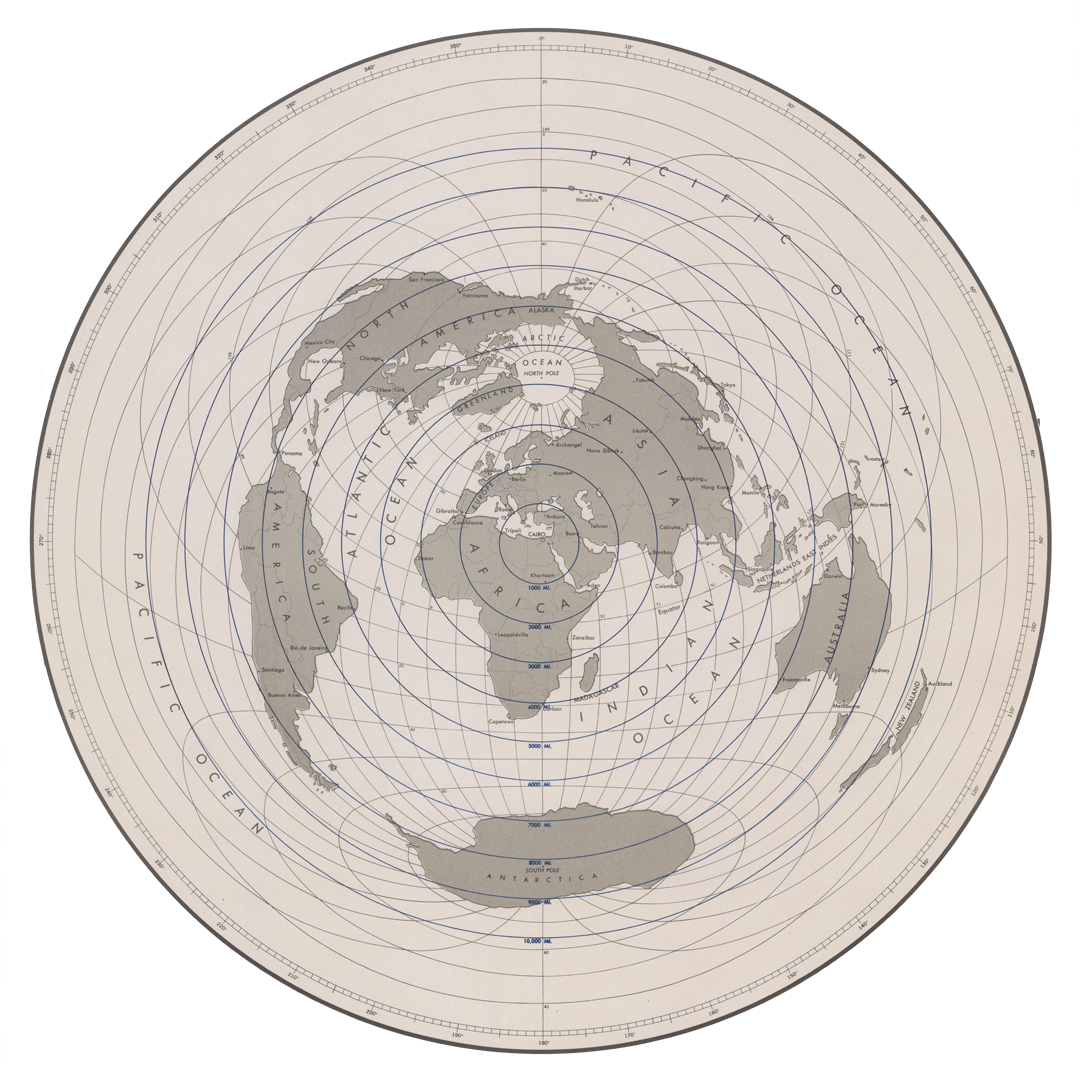
Experience literature that bridges cultures
and enriches perspectives
Featured Products
Non Fiction
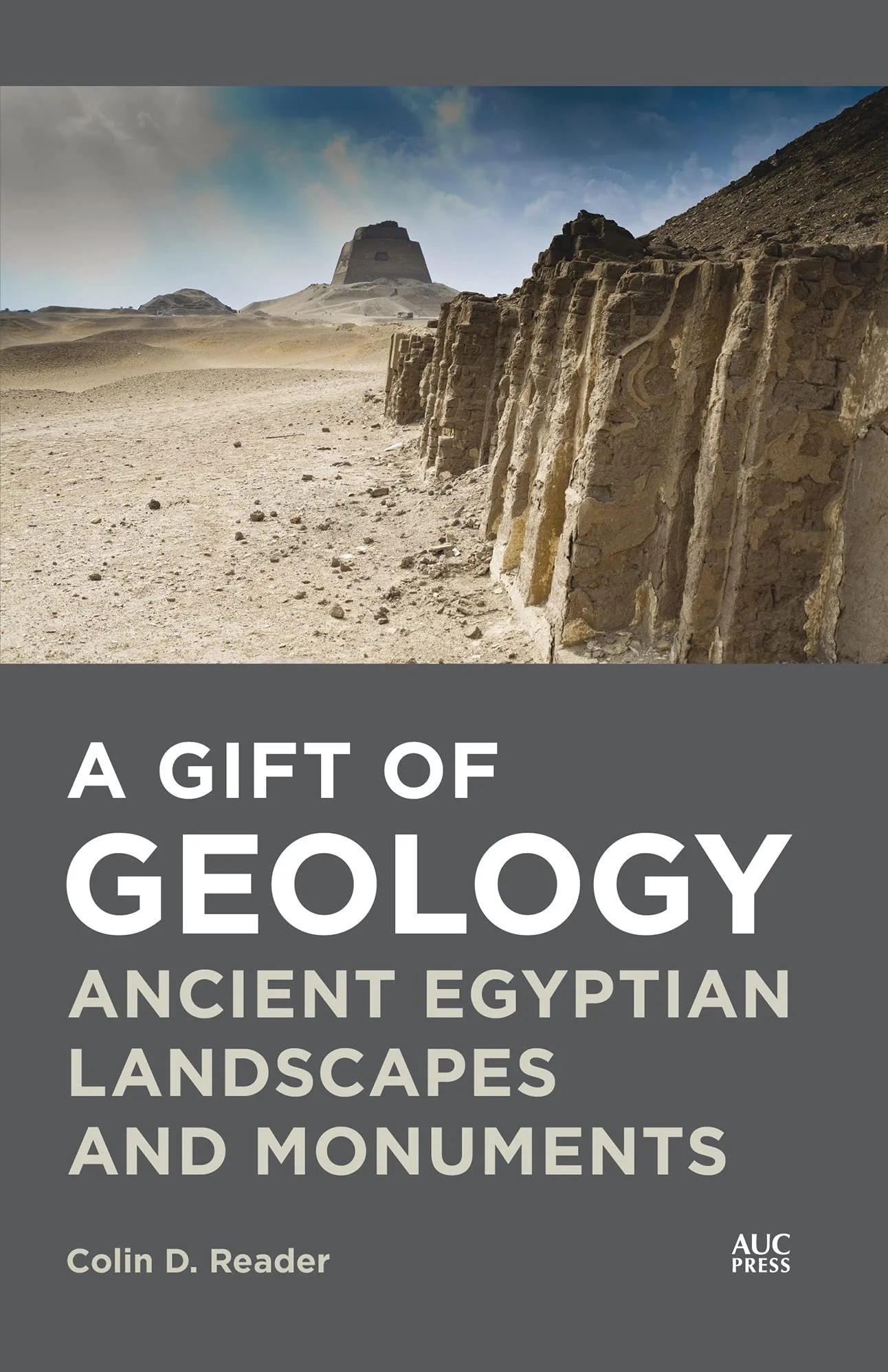
Ancient Egyptian Landscapes and Monuments
Author: Colin D. Reader
An introduction to the geology of Egypt and its influence on ancient Egyptian culture
While much is known about Egypt’s towering pyramids, mighty obelisks, and extraordinary works of art, less is known about the role played by Egypt’s geological history in the formation of pharaonic culture’s artistic and architectural legacy. The fertile soils that lined the Nile Valley meant that the people of Egypt were able to live well off the land. Yet what allowed ancient Egypt to stand apart from other early civilizations was its access to the vast range of natural resources that lay beyond the Nile floodplain.
In this engagingly written book, Colin Reader invites readers to explore the influence of geology and landscape on the development of the cultures of ancient Egypt. After describing today’s Egyptian landscape and introducing key elements of the ancient Egyptian worldview, he provides a basic geological toolkit to address issues such as geological time and major earth-forming processes. The developments that gave the geology of Egypt its distinct character are explored, including the uplifting of mountains along the Red Sea coast, the evolution of the Nile river, and the formation of the vast desert areas beyond the Nile Valley. As the story unfolds, elements of Egypt’s archaeology are introduced, together with discussions of mining and quarrying, construction in stone, and the ways in which the country’s rich geological heritage allowed the culture of ancient Egypt to evolve.
Ideal for non-specialists and specialists alike, and supported with over one hundred illustrations, A Gift of Geology takes the reader on a fascinating journey into Egypt’s geological landscape and its relationship to the marvels of pharaonic culture. AUC Press ISBN 9781649032188
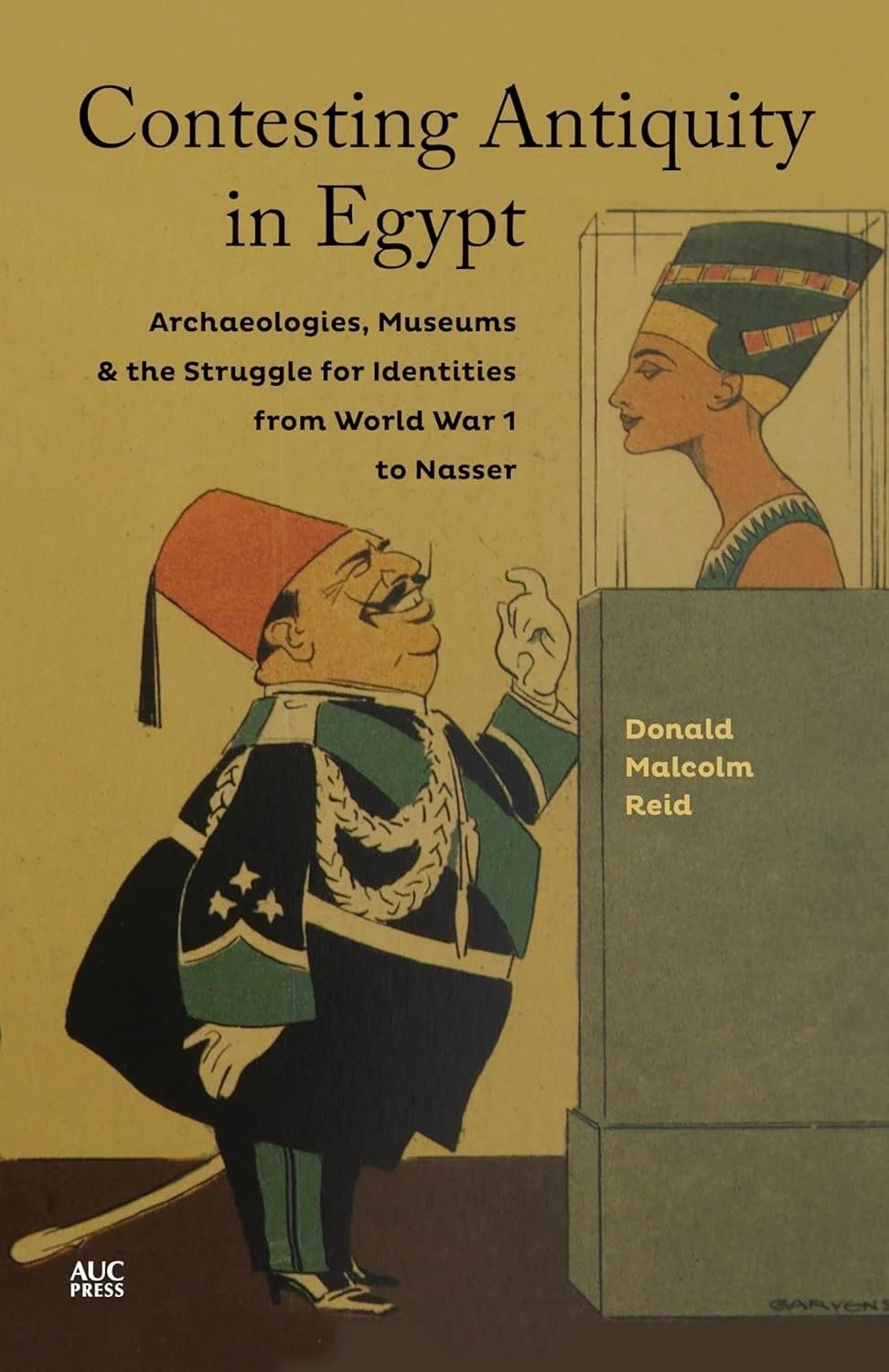
Archaeologies, Museums, and the Struggle for Identities from World War I to Nasser
Author: Donald Malcolm Reid
The history of the struggles for control over Egypt's antiquities, and their repercussions, during a period of intense national ferment
The sensational discovery in 1922 of Tutankhamun’s tomb, close on the heels of Britain’s declaration of Egyptian independence, accelerated the growth in Egypt of both Egyptology as a formal discipline and of ‘pharaonism'—popular interest in ancient Egypt—as an inspiration in the struggle for full independence. Emphasizing the three decades from 1922 until Nasser’s revolution in 1952, this compelling follow-up to Whose Pharaohs? looks at the ways in which Egypt developed its own archaeologies—Islamic, Coptic, and Greco-Roman, as well as the more dominant ancient Egyptian. Each of these four archaeologies had given birth to, and grown up around, a major antiquities museum in Egypt. Later, Cairo, Alexandria, and Ain Shams universities joined in shaping these fields. Contesting Antiquity in Egypt brings all four disciplines, as well as the closely related history of tourism, together in a single engaging framework.
Throughout this semi-colonial era, the British fought a prolonged rearguard action to retain control of the country while the French continued to dominate the Antiquities Service, as they had since 1858. Traditional accounts highlight the role of European and American archaeologists in discovering and interpreting Egypt’s long past. Donald Reid redresses the balance by also paying close attention to the lives and careers of often-neglected Egyptian specialists. He draws attention not only to the contests between westerners and Egyptians over the control of antiquities, but also to passionate debates among Egyptians themselves over pharaonism in relation to Islam and Arabism during a critical period of nascent nationalism.
Drawing on rich archival and published sources, extensive interviews, and material objects ranging from statues and murals to photographs and postage stamps, this comprehensive study by one of the leading scholars in the field will make fascinating reading for scholars and students of Middle East history, archaeology, politics, and museum and heritage studies, as well as for the interested lay reader.
AUC Press
ISBN 9789774169380
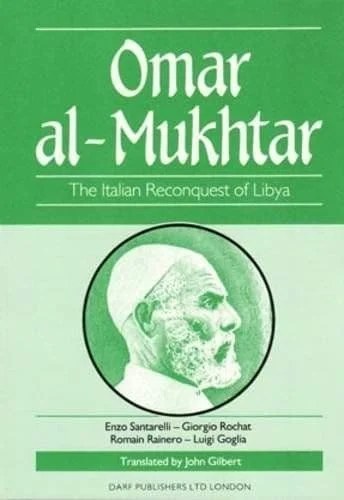
The Italian Reconquest of Libya Author: Enzo Santarelli Omar al-Mukhtar was the resistance fighter who most epitomized the struggle against Italian domination in Libya in the period between the two World Wars. His courage and charisma, and his popularity both as a military and religious figurehead, made him the natural leader of his oppressed people in their attempt to free themselves of fascist tyranny. Known as The Lord of the Night', because only during the daylight hours could the Italians claim the country to be under their control, the eventual capture and execution of Omar al- Mukhtar marked the virtual end of organized resistance in Libya. It is against the background of his life, capture and execution in September 1931, that the authors set their wider study of the fascist recolonization of Libya. Originally published in Italy in 1981, the work is here republished in English translation for the first time. DARF Publishing ISBN 9781850771357
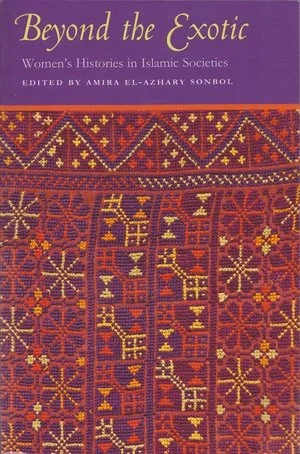
Women’s Histories in Islamic Societies
Editor: Amira al-Azhary Sonbol
Most manifestations, research has accepted stereotypical images of Muslim women, treating their outward such as veiling, as passive and oppressive. Muslim women have been depicted as different, and by exoticizing (orientalizing) them—or Islamic society in general—“they” have been dealt with outside of general women’s history and regarded as having little to contribute to the writing of world history or to the life of their sisters worldwide. By approaching widely used sources with different questions and methodologies, and by using new or little-used research (with much primary research), this book redresses these deficiencies. Scholars revisit and reevaluate scripture and scriptural interpretation; church records involving non-Muslim women of the Arab world; archival court records dating from the present back to the Ottoman period; and the oral and material culture and its written record, including art and architecture, oral history, textbooks, Sufi practices, and the politics of dress. By deconstructing the past, these scholars offer fresh perspectives on women’s roles and aspirations in Middle East societies.
Contributors: Diane Apostolos-Cappadona, Sheila S. Blair, Randi Deguilhem, Mamoun Fandy, Richard Freeland, Fatima Zohra Guechi, Nelly Hanna, Howayda al-Harithy, Mervat F. Hatem, Bernard Heyberger, Valerie J. Hoffman, Haifaa Khalafallah, Ramadan al-Khowli, Patricia Mihaly Nabti, Lisa Pollard, Mona Russell, Elyse Semerdjian, Selçuk Aksin Somel, Amira El-Azhary Sonbol, Denise A. Spellberg, Barbara Freyer Stowasser, Judith E. Tucker, Fariba Zarinebaf, Madeline Zilfi.
AUC Press
ISBN 9789774160028
Fiction
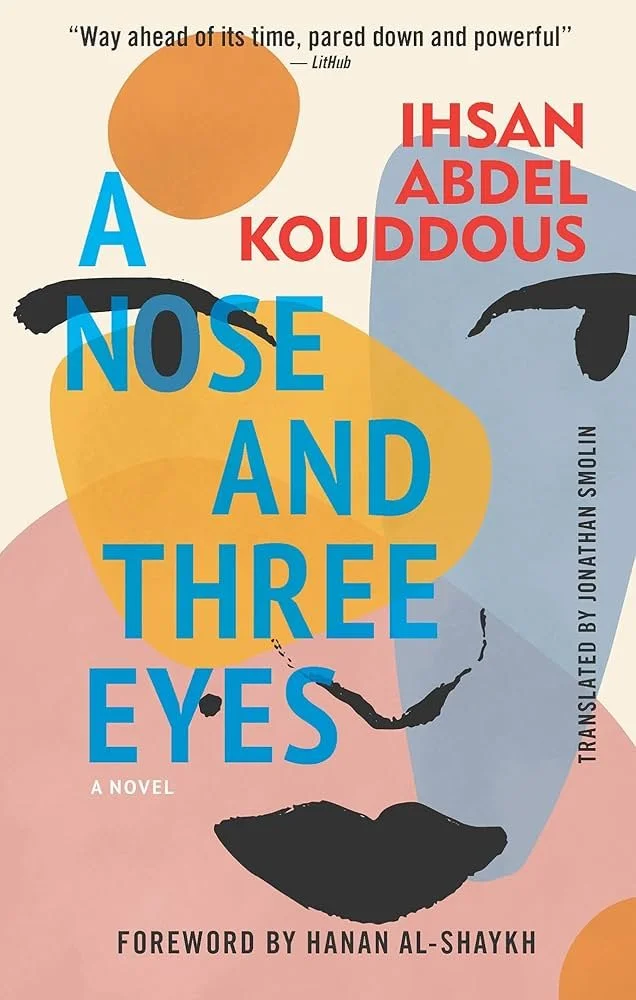
Author: Ihsan Abdel Kouddous
A NOTABLE AFRICAN BOOK OF 2024 (BRITTLE PAPER)
Written by iconic Egyptian novelist Ihsan Abdel Kouddous, this classic of love, desire, and family breakdown smashed through taboos when first published in Arabic and continues to captivate audiences today
It is 1950s Cairo and 16-year-old Amina is engaged to a much older man. Despite all the excitement of the wedding preparations, Amina is not looking forward to her nuptials. And it is not because of the age gap or because of the fact that she does not love, or even really know, her fiancé. No, it is because she is involved with another man.
This other man is Dr Hashim Abdel-Latif, and while he is Amina’s first love, she is certainly not his. Also many years her senior, Hashim is well-known in polite circles for his adventures with women. A Nose and Three Eyes tells the story of Amina’s love affair with Hashim, and that of two other young women: Nagwa and Rihab.
A Nose and Three Eyes is a story of female desire and sexual awakening, of love and infatuation, and of exploitation and despair. It quietly critiques the strictures put upon women by conservative social norms and expectations, while a subtle undercurrent of political censure was carefully aimed at the then Nasser regime. As such, it was both deeply controversial and wildly popular when first published in the 1960s. Still a household name, this novel, and its author, have stood the test of time and remain relevant and highly readable today. Hoopoe ISBN 9781649033598
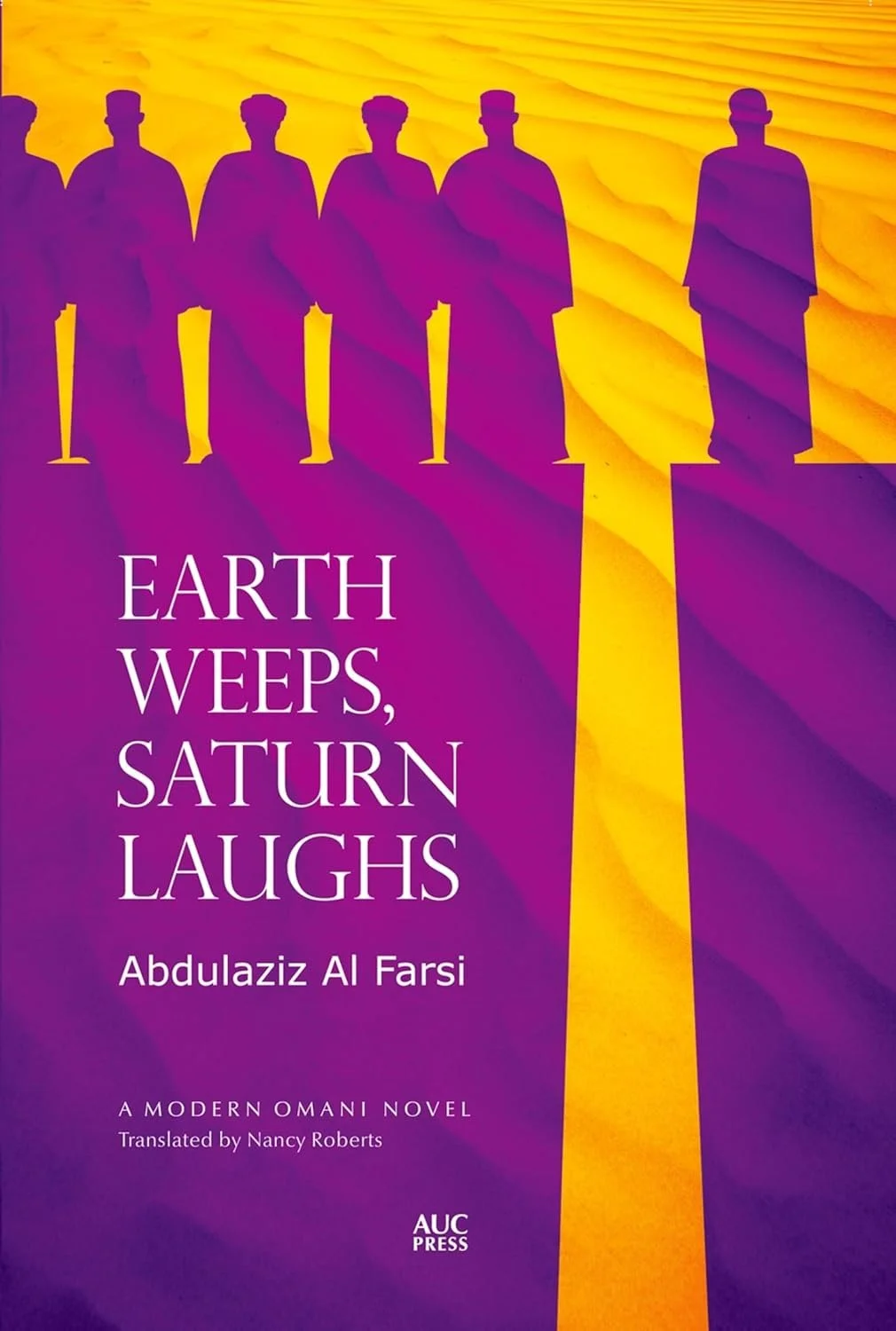
Author: Abdulaziz Al Farsi Translation: Nancy Roberts Earth Weeps, Saturn Laughs opens with the return of Khalid Bakhit, a government employee, to his hometown in Oman after a time away in the big city, and concludes with his return to the city with a new maturity born of a series of wrenching encounters with reality. Khalid’s return home, sparked by his flight from a painful love affair, coincides with events that reveal the force of long-established traditions that have a stranglehold on the town: from racial prejudice, to religious bigotry, to ossified patterns of leadership. Khalid’s awakening and transformation are catalyzed by his encounters with a certain “Saturnine poet” who, in the course of chasing after an elusive ode, has stumbled upon this unnamed village. For a period of time “the Saturnine” becomes Khalid’s closest companion: listening to his woes, helping him see himself with new eyes, and imparting to him a wisdom from a world beyond, untainted by human smallness. AUC Press ISBN 9789774165900
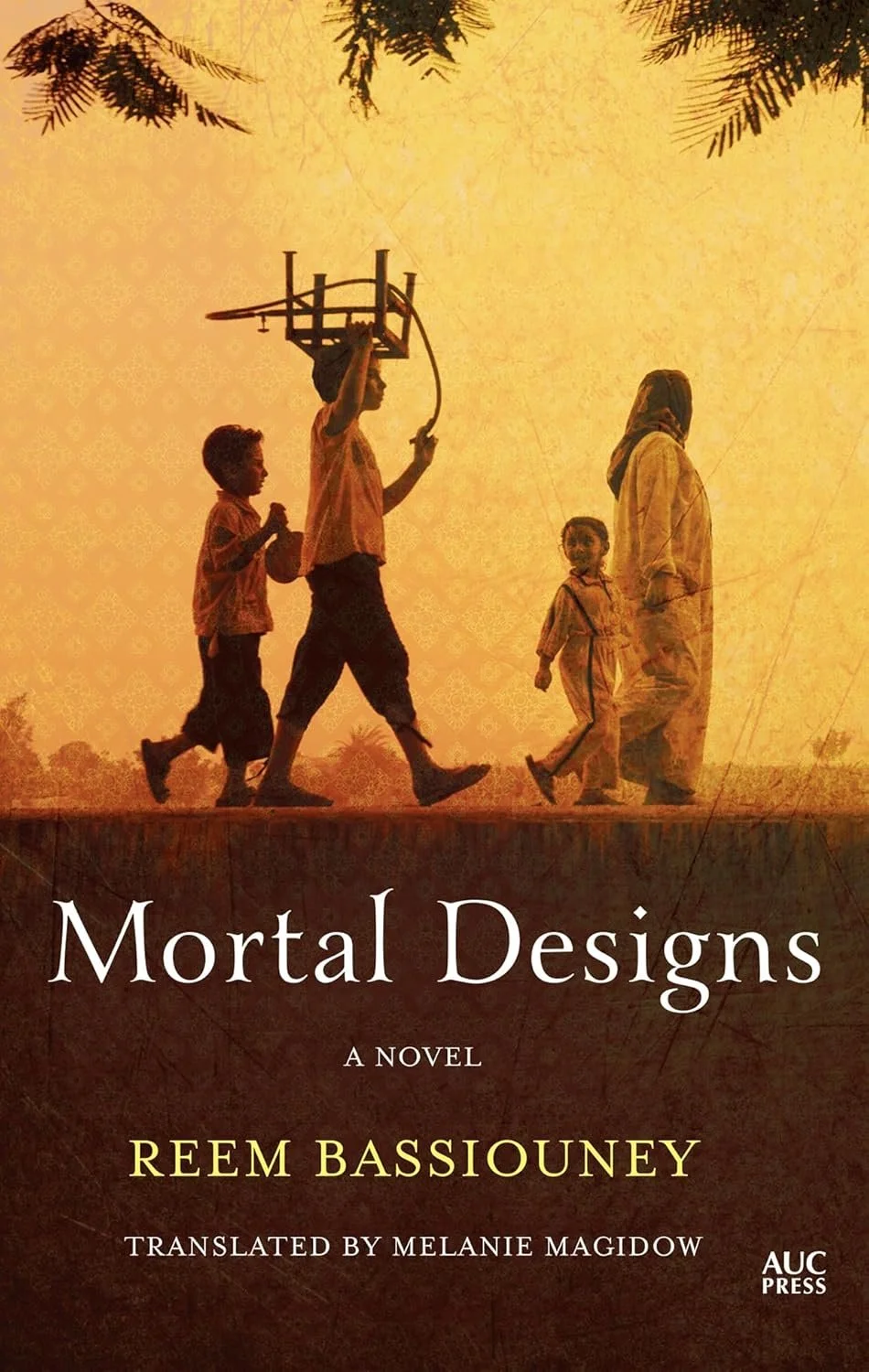
Author: Reem Bassiouney
Translation: Melanie Magidow
Captain Murad is busy planning for the Afterlife. He dreams of a grand, sunlit mausoleum on the banks of the Nile. To realize his pharaonic folly, the retired captain kindles an unlikely romance between Hazem, a feckless architect longing for immortality, and Asma, an impoverished single mother who strives for a better life for her children. As Murad’s tomb rises on the riverbank, so Hazem and Asma fall in love.
A contemporary Egyptian romance of rare grace and wit, played out by characters trapped in their attitudes toward class and gender.
AUC Press
ISBN 9789774167140
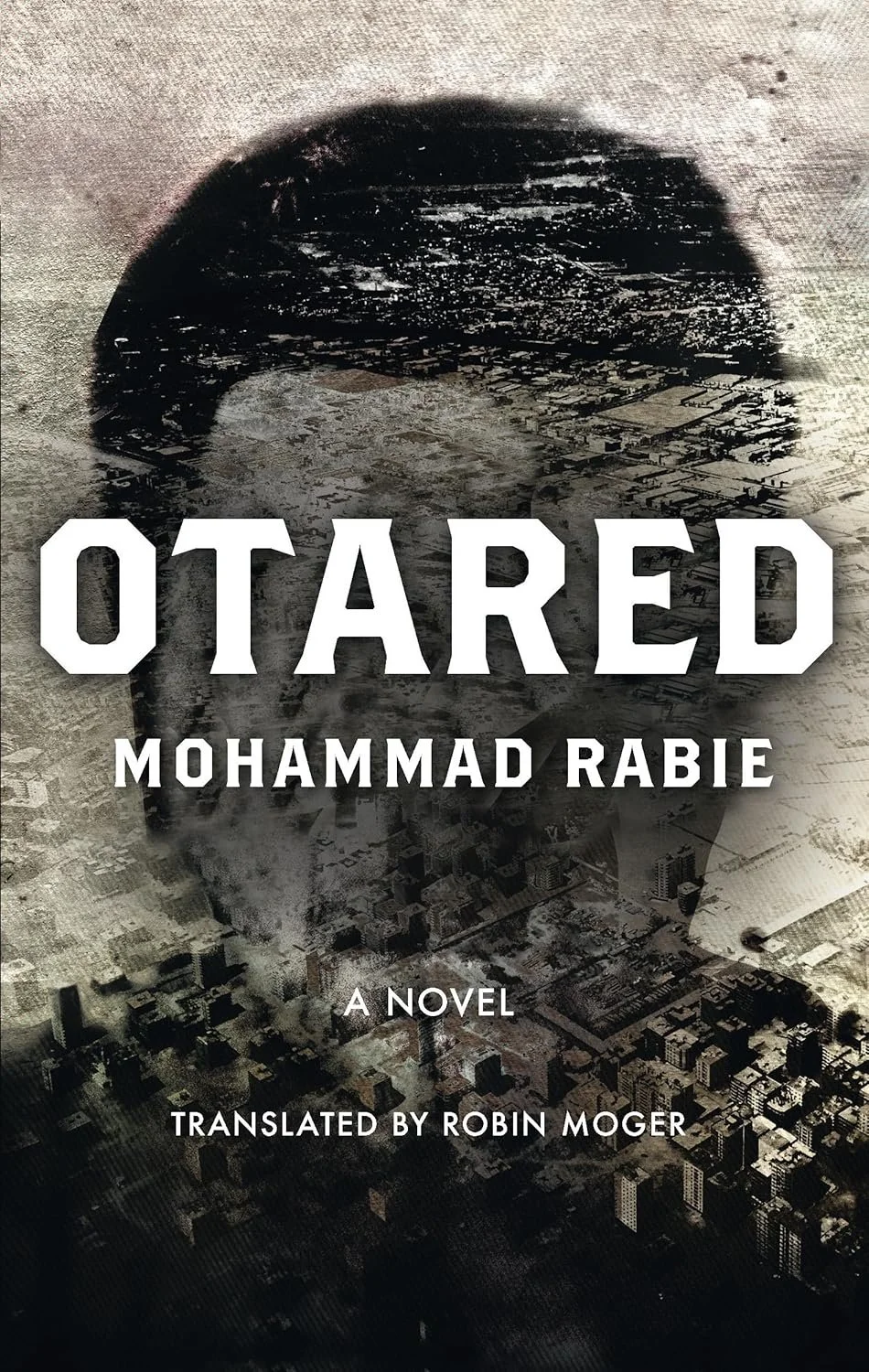
Author: Mohammad Rabie
Translation: Robin Moger
SHORTLISTED FOR THE INTERNATIONAL PRIZE FOR ARABIC FICTION
A horror-filled obituary on Egypt's failed revolution
2025: fourteen years after the failed revolution, Egypt is invaded once more. As traumatized Egyptians eke out a feral existence in Cairo's dusty downtown, former cop Ahmed Otared joins a group of fellow officers seeking Egypt's liberation through the barrel of a gun.
As Cairo becomes a foul cauldron of drugs, sex, and senseless violence, Otared finally understands his country's fate.
In this unflinching and grisly novel, Mohammad Rabie envisages a grim future for Egypt, where death is the only certainty.
AUC Press
ISBN 9789774167843

Why Shop
HELIOPOLIS
The Literature Link
Delve into a rich collection of fiction and
non-fiction books, that expand
your understanding of our shared history
and the human condition
Market Access
Bridging cultural divides, Heliopolis offers
a platform for authors and publishers
to access the European market
Cultural Connection
Engaging intellectual exchange
by connecting authors and readers
from diverse cultural backgrounds
Unique Narratives
Experience compelling stories that enrich
your reading journey, offering unique
narratives from the Global South
Contact Us
Would you like to pick up a book from the Leiden market?
Are you a writer/publisher interested in working together?
Would you like to help us expand our database with books from your country?
Do you have any questions or feedback?
Send us a message!